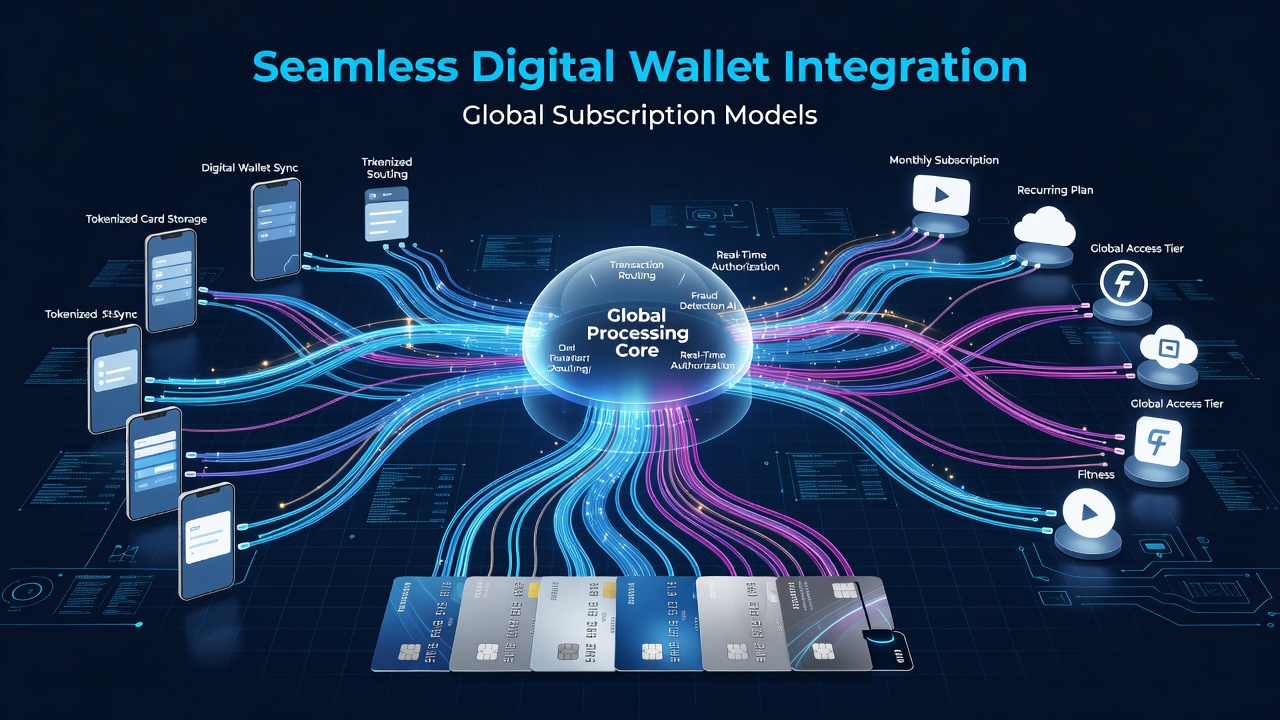
Mapping Payment Network Pathways That Enable Wallet Connections in Worldwide Subscription Systems
Payment networks operate through a series of interconnected entities that handle authorization, clearing, and settlement for transactions initiated via credit cards and linked digital wallets, and these systems support recurring charges for subscription services that span multiple countries and currencies. Visa and Mastercard function as the primary operators in this space, routing messages between acquiring banks that represent merchants and issuing banks that manage consumer accounts, while data from September 2026 shows increased adoption of token-based authentication in cross-border recurring billing setups.
Digital wallets such as Apple Pay and Google Pay rely on device-specific tokens that replace actual card numbers during transactions, and this tokenization process reduces exposure of sensitive data as it travels through the network layers. When a user adds a card to a wallet, the issuer generates a unique token that links back to the original account, allowing seamless authorization for subscription renewals without repeated entry of card details across different regions.
Core Components of Authorization Flows
Authorization begins when a merchant's payment gateway sends a request to the acquiring bank, which then forwards it through the network to the issuing bank for approval, and this sequence typically completes in under two seconds even when the subscriber resides in one country while the service provider operates in another. Issuers evaluate factors including available credit, fraud indicators, and standing recurring authorization agreements before responding with an approval code or decline reason.
Clearing and settlement follow on a batch basis, usually within one to three days, where the network aggregates approved transactions and calculates net positions between banks, and observers note that subscription models benefit from pre-authorized recurring transaction flags that streamline these later stages. Networks apply specific rules for recurring payments that allow merchants to store tokens rather than full card data, which aligns with standards set by payment card industry security requirements.
Wallet Integration Mechanisms Across Borders
Seamless integration occurs when wallets communicate with issuers through secure APIs that support region-specific regulatory frameworks, and data indicates that European markets under PSD2 directives require strong customer authentication for each new subscription setup while permitting subsequent charges with stored credentials. In contrast, North American systems often rely on network-level exemptions for low-risk recurring transactions, creating varied operational paths depending on the subscriber's location.
Global subscription platforms maintain merchant accounts in multiple acquiring jurisdictions to handle local currency processing, and this setup minimizes foreign exchange fees while complying with data residency rules in markets such as Canada and Australia. According to reports from the Bank of Canada, tokenized wallet transactions for recurring services grew steadily through mid-2026, reflecting broader shifts toward portable payment credentials that function consistently across time zones.
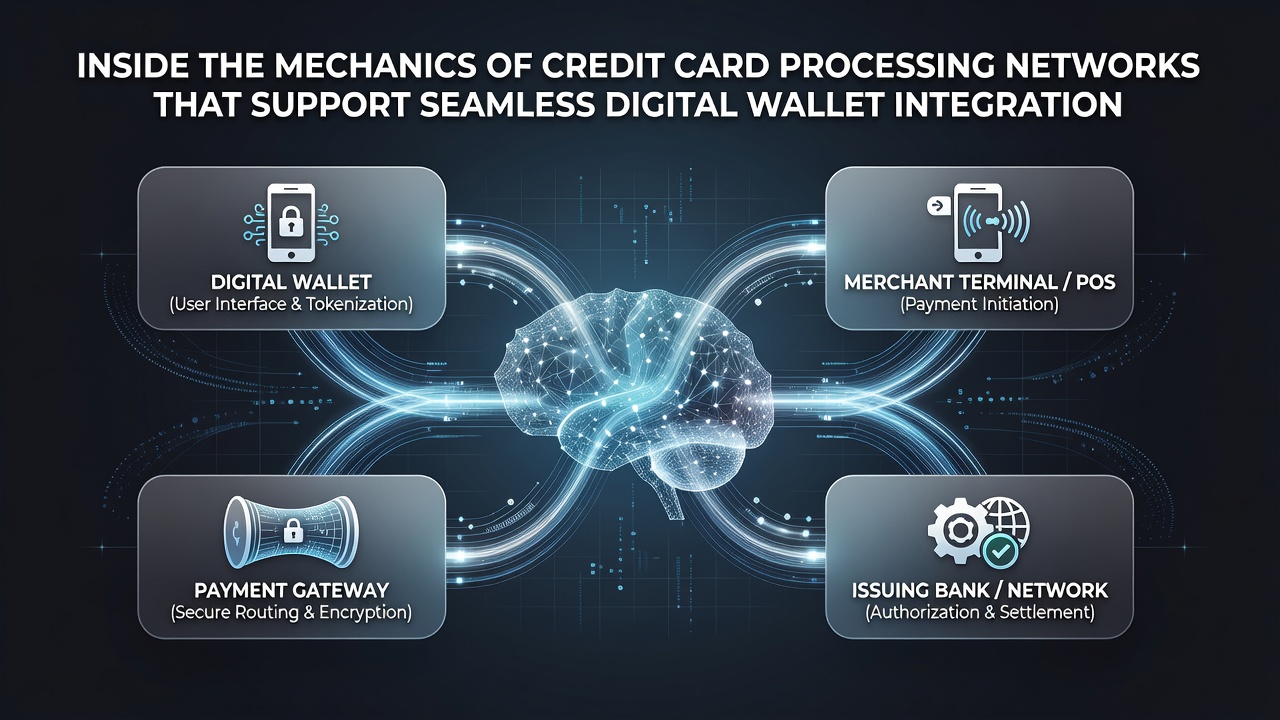
Network operators enforce standardized message formats that include fields for subscription identifiers and renewal frequencies, enabling automated retries when initial authorization attempts fail due to temporary issuer-side issues. Merchants configure these parameters through their payment processors, and successful implementations reduce involuntary churn by coordinating with wallet providers to update tokens when cards expire or are reissued.
Regional variations appear in how networks handle currency conversion and tax reporting, yet the underlying rails remain consistent enough to support unified billing dashboards for service providers. Research from the European Central Bank highlights that wallet-linked recurring payments accounted for a rising share of cross-border volume in 2026, driven by consumer preference for frictionless renewal experiences.
Security Layers and Compliance Structures
Encryption protocols protect data in transit between each network participant, and token service providers act as intermediaries that map tokens back to primary account numbers only during authorized requests. Subscription merchants undergo regular compliance audits to maintain access to these capabilities, and those who integrate directly with wallet ecosystems often adopt additional monitoring tools that flag unusual usage patterns across geographic boundaries.
Settlement finality occurs when funds move from issuer accounts to acquirer accounts through designated clearing houses, and this process incorporates reconciliation reports that subscription platforms use to match incoming revenue against active user records. Observers note that September 2026 updates to network operating rules introduced enhanced support for multi-currency token provisioning, which further simplified onboarding for services targeting international audiences.
Conclusion
Payment networks continue to evolve their infrastructure to accommodate expanding digital wallet usage in subscription contexts, and the combination of tokenization standards, region-aware authorization rules, and automated settlement procedures enables reliable global operations. Service providers that align their systems with these mechanics gain access to broader markets while maintaining security and compliance across jurisdictions, and ongoing refinements in message protocols support continued growth in recurring billing volumes worldwide.